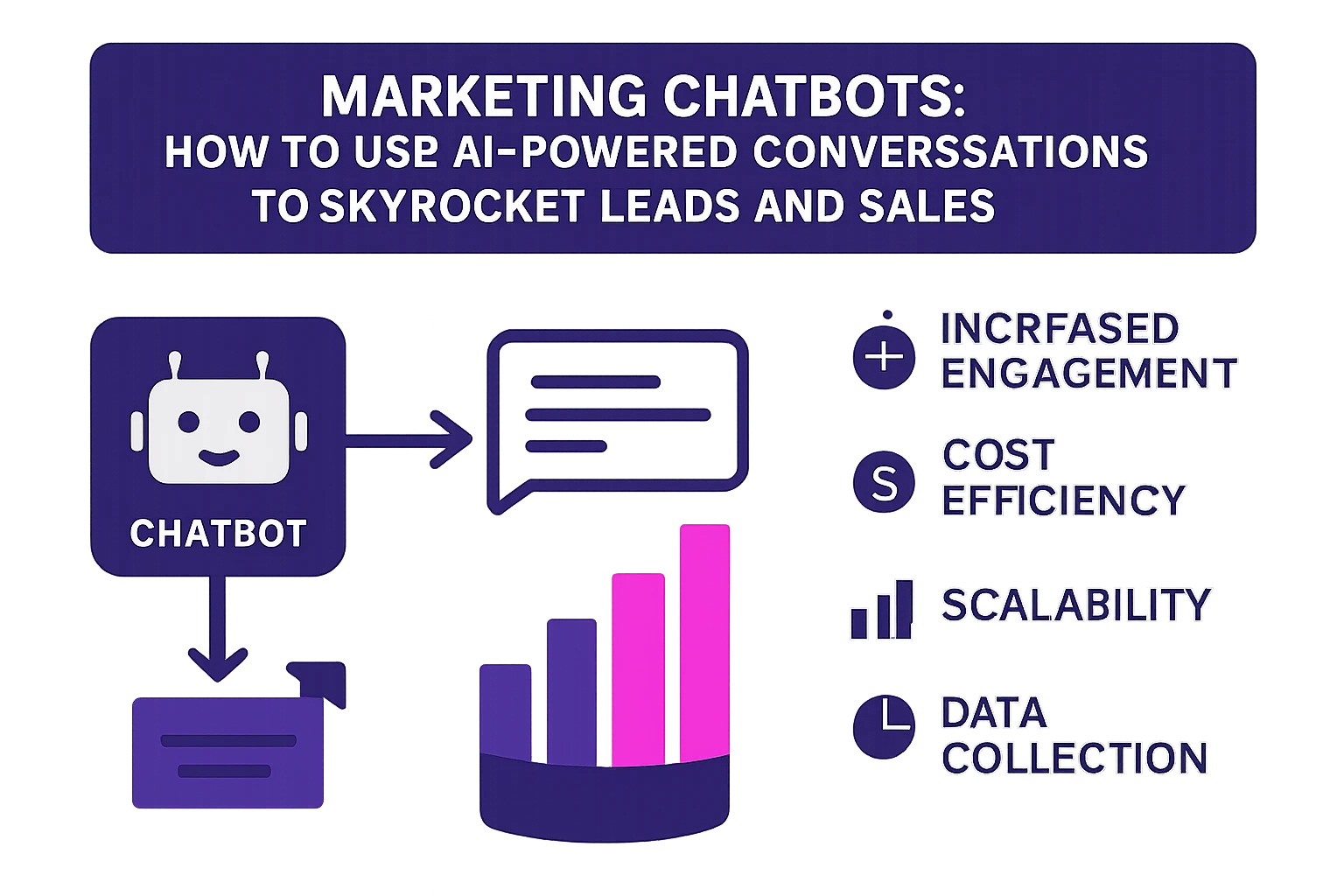
In the dynamic world of digital marketing, harnessing marketing chatbots for AI-powered conversations is an innovative way to engage audiences, streamline communication, and boost lead generation efforts. The rise of artificial intelligence has transformed how businesses interact with potential customers, making the adoption of marketing chatbots a strategic necessity in today's digital landscape.
Understanding Marketing Chatbots
Marketing chatbots are AI-driven programs that simulate human conversations through text or voice interactions. These chatbots are designed to automate customer service tasks, thereby enhancing customer experience and enabling businesses to handle customer inquiries without human intervention. By deploying chatbots, companies can provide instant responses to customer questions, schedule appointments, and even handle sales transactions, thereby enhancing the efficiency of customer interactions.
The Technology Behind Chatbots
At the core of marketing chatbots is natural language processing (NLP), a branch of artificial intelligence that enables the chatbot to understand human speech as it is spoken. NLP algorithms allow chatbots to interpret and respond to queries with natural-sounding, contextually relevant answers. These chatbots are also equipped with machine learning capabilities, which help them improve their responses over time based on the data they collect from interactions with users.
Benefits of Using Marketing Chatbots
Implementing marketing chatbots can significantly amplify a company's marketing and sales efforts. Here are some key benefits:
1. **Increased Engagement**: Chatbots engage users in real-time, providing them with immediate assistance, which can help keep the user's interest alive and increase the chances of a sale.
2. **Cost Efficiency**: By automating routine tasks, chatbots reduce the need for a large customer service team, thus cutting down on operational costs.
3. **Scalability**: Chatbots can handle thousands of interactions simultaneously, meaning businesses can scale up their customer service operations without a corresponding increase in resources.
4. **Data Collection**: Chatbots efficiently gather important customer data during interactions. This data can be analyzed to gain insights into customer preferences and behavior, aiding in more targeted marketing efforts.
Implementing Chatbots in Your Marketing Strategy
To effectively integrate marketing chatbots into your digital marketing strategy, follow these steps:
1. **Identify the Right Use Case**: Determine what customer interactions can be handled by chatbots. Common use cases include answering FAQs, booking appointments, and providing basic customer support.
2. **Select the Appropriate Platform**: Choose a chatbot platform that integrates well with your existing technology stack and offers the features you need.
3. **Design the Conversation Flow**: Map out the possible scenarios of interactions customers might have with the chatbot. A well-designed conversation flow ensures that the chatbot can handle queries efficiently and escalate issues when necessary.
4. **Personalize the Interaction**: Customize the chatbot’s responses to offer a more personal touch. This can increase customer satisfaction and loyalty.
5. **Continuous Improvement and Optimization**: Regularly analyze the interactions handled by the chatbot to identify areas for improvement. Update the AI models and conversation scripts based on customer feedback and evolving business needs.
Success Stories of Marketing Chatbots
Many businesses have successfully implemented marketing chatbots and seen substantial benefits. For example, a retail company implemented a chatbot to handle customer inquiries on their website and saw a 50% increase in sales conversions from chat interactions. Another success story involves a travel agency that used a chatbot to automate booking processes, resulting in a 30% reduction in customer service costs.
Future Trends in Chatbot Marketing
As technology advances, the capabilities of marketing chatbots continue to grow. Future trends include the integration of chatbots with emerging technologies such as augmented reality (AR) and the Internet of Things (IoT), offering even more personalized and interactive user experiences.
Conclusion
Marketing chatbots represent a significant advancement in the way businesses interact with customers. By automating routine tasks, collecting valuable customer data, and providing a personalized experience, chatbots can help businesses increase engagement, boost efficiency, and drive sales. As AI technology continues to evolve, the potential for marketing chatbots to enhance customer interactions is boundless. Embracing this technology not only helps keep your business competitive but also aligns with modern consumer expectations for quick, efficient, and effective customer service.