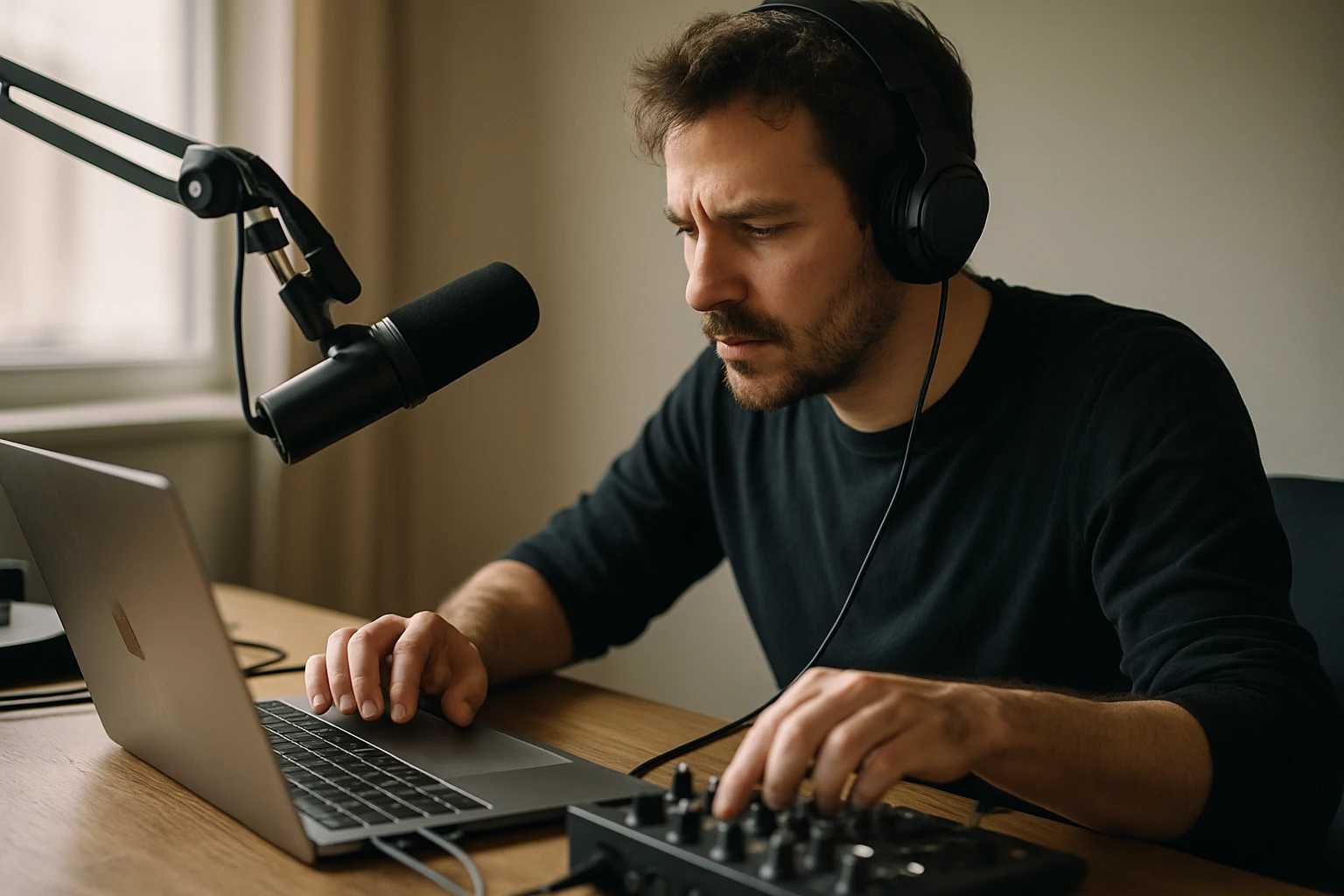
Navigating podcast post production can be daunting, but mastering editing, mixing, and optimizing your content is crucial for engaging listeners and driving podcast growth in today's competitive digital landscape. This guide dives deep into each step of podcast post production to ensure your show sounds professional and captivating. Whether you’re a podcast newbie or looking to refine your production skills, this comprehensive guide will equip you with the necessary knowledge to optimize your audio content for maximum impact.
Understanding Podcast Post Production
Podcast post production encompasses all steps taken after recording your podcast episode. It involves editing the raw audio to remove mistakes or unwanted sections, mixing to ensure sound levels are consistent, adding music or effects, and mastering to optimize the final sound quality. These steps are crucial for producing a polished, professional-sounding podcast that retains and grows its listener base.
Why Invest in Quality Post Production?
The audio quality and production level of your podcast can significantly affect its success. Listeners are more likely to subscribe and stay engaged with content that sounds clear and professionally produced. Moreover, good quality audio reduces listener fatigue, making it easier and more enjoyable to listen to your episodes.
Step-by-Step Podcast Post Production Process
1. Audio Editing
The first step in post production is editing the raw audio files. This process can vary significantly in complexity, depending on the type of podcast and the number of edits required. Basic editing involves removing silent segments, correcting mistakes, and trimming content that doesn’t add value.
Advanced editing might include rearranging content for better logical flow, reducing background noise, and applying noise reduction techniques to achieve clearer sound. Tools like Adobe Audition, Audacity, and GarageBand are common choices for these tasks.
2. Mixing Your Podcast
Mixing involves adjusting and combining separate audio tracks for a harmonious end product. This includes balancing voice levels, adding compression, and equalizing audio to ensure all elements are clear and well-integrated. Effective mixing ensures that no single element overshadows others, keeping the listener’s focus on the content.
3. Sound Effects and Music
Adding music and sound effects can enhance the listening experience, creating a more dynamic and engaging podcast. Intro and outro music, as well as transitional elements, can give your podcast a professional touch. However, it’s crucial to use these elements sparingly and ensure they complement the content without overwhelming it.
4. Mastering
Mastering is the final touch in the post production process. This stage focuses on enhancing the overall sound quality by making fine adjustments to the audio’s equalization and compression settings. The goal is to ensure the podcast sounds good on all types of listening devices, from car speakers to smartphone earbuds.
5. Optimizing and Encoding
Once your podcast sounds great, the next step is to optimize the audio file for uploading. This involves encoding the final mix into a format suitable for streaming platforms like iTunes, Spotify, and Google Podcasts. Typically, podcasts are encoded as MP3 files with appropriate bit rates to balance quality and file size.
Advanced Techniques for Enhancing Your Podcast
These techniques include using advanced noise reduction tools to remove background hiss or hum and experimenting with stereo effects for a more immersive audio experience. Additionally, understanding the use of EQ to bring warmth and clarity to your voice can be a game changer.
Using EQ Effectively
Equalization (EQ) is a crucial tool in audio post production. It allows you to enhance or reduce certain frequencies in your audio. For spoken word, a common practice is to apply a high-pass filter to eliminate low-frequency rumble and a slight boost in the higher frequencies to improve clarity and presence of the voice.
Dynamics Processing
Dynamics processing, including compressors and limiters, helps maintain consistent volume and intensity levels in your podcast. A compressor reduces the dynamic range of the audio, meaning the difference between the loudest and the softest parts is minimized, ensuring a more uniform listening experience.
Outsourcing Podcast Post Production
If post production seems overwhelming or time-consuming, consider outsourcing these tasks to professionals. Services specializing in podcast editing and production can significantly enhance the quality of your show, allowing you to focus more on content creation and audience engagement.
Benefits of Professional Podcast Post Production
Professional editors bring technical expertise and an objective ear to your podcast. They can efficiently handle complex editing and mixing, ensure consistent audio quality, and even help you implement creative ideas that may be beyond your current technical skills.
In conclusion, effective podcast post production is key to producing a show that not only sounds professional but also captivates and grows your audience. By following these steps and continuously improving your skills, you can truly enhance the listener's experience and set your podcast apart in the crowded digital landscape.